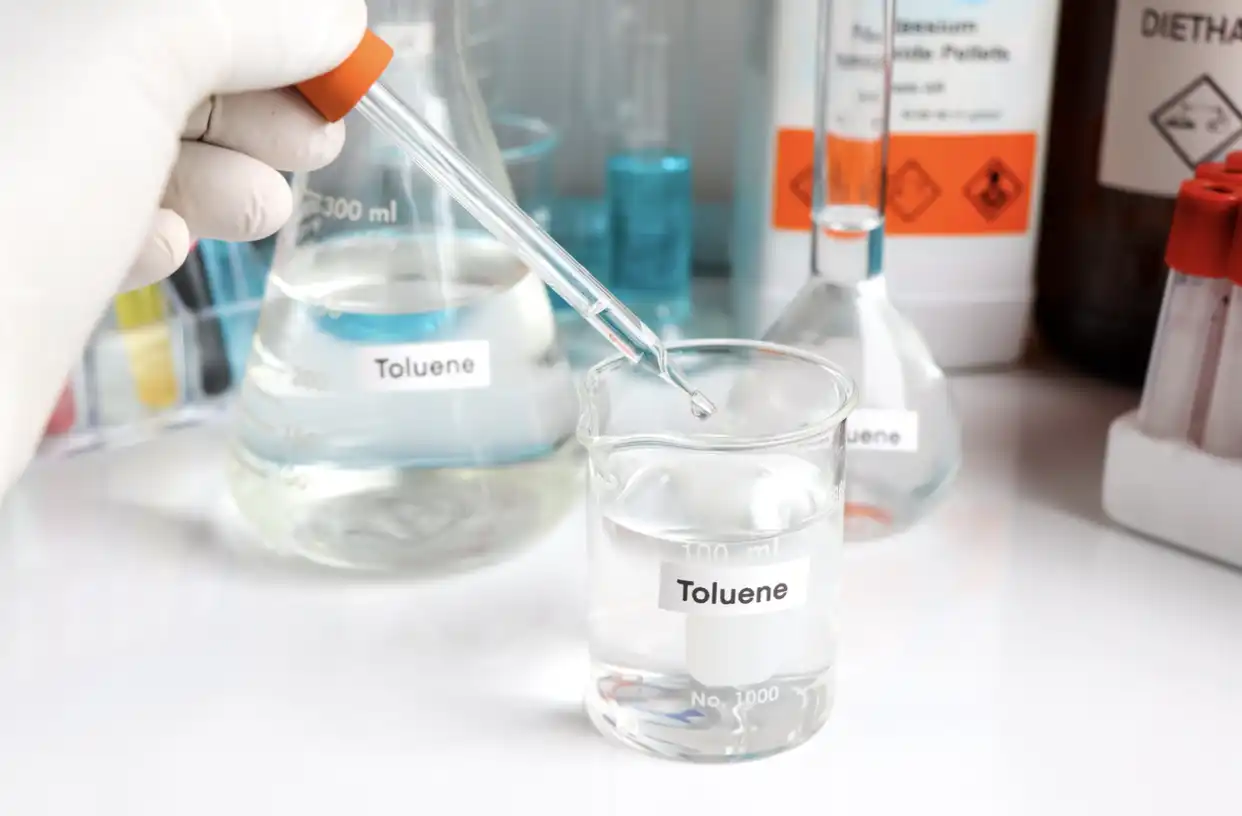

Acrylic Acid (chemical formula: C₃H₆O₂) is a colorless liquid organic compound with a strong, stechender Geruch. Es ist ein carboxylic acid and is widely used as a building block in the production of various polymers und copolymers, which are used in a wide range of industrial and consumer applications.
Schlüsseleigenschaften:
- Aussehen: Acrylic acid is a colorless liquid with a sharp, acrid odor.
- Siedepunkt: It has a boiling point of 141°C (286°F).
- Schmelzpunkt: It freezes at around 13°C (55°F).
- Löslichkeit: It is highly soluble in Wasser, Alkohole, und Ether.
- pH: Es ist ein strong acid, with a pH value of about 2 when dissolved in water.
Allgemeine Anwendungen:
- Superabsorbent Polymers (SAP): Acrylic acid is widely used in the production of superabsorbent polymers, which are key components of products like diapers, feminine hygiene products, und adult incontinence products.
- Acrylic Polymers: Acrylic acid is used in the production of acrylic resins und acrylic polymers that are used in paints, Beschichtungen, adhesives, and sealants. These polymers are valued for their Haltbarkeit, weather resistance, und adhesion properties.
- Wasserbehandlung: Acrylic acid and its derivatives are used in water treatment chemicals, wie flocculants und dispersants, which help in the removal of impurities in industrial water and wastewater treatment processes.
- Detergents and Surfactants: Acrylic acid is used to make surfactants und detergents, which are common in cleaning products and personal care items.
- Hydrogels: It is a key ingredient in the manufacture of Hydrogele, which are used in applications such as contact lenses, wound dressings, und controlled drug release.
- Adhesives and Sealants: Acrylic acid is used to make adhesives und sealants, especially in industries like construction, automotive, and electronics, where strong bonding and durability are required.
Gesundheit und Sicherheit:
- Toxizität: Acrylic acid is considered corrosive and can cause Hautreizung, Augenschäden, und Atemwegsprobleme bei Exposition. Inhalation or prolonged contact should be avoided.
- Handling: Proper protective equipment, including gloves and safety goggles, is recommended when handling acrylic acid to avoid chemical burns or irritation.
Umweltauswirkungen:
Acrylic acid is biodegradable, but its production process can generate significant amounts of waste and emissions, requiring proper management and treatment to mitigate its environmental impact.
Schlussfolgerung:
Acrylic acid is a key industrial chemical used in the production of polymers, superabsorbent materials, und water treatment agents. Its versatility makes it important in a wide range of applications, from consumer goods like diapers and personal care products to industrial uses in paints, Beschichtungen, und Klebstoffe. Jedoch, due to its corrosive nature, proper handling and safety precautions are necessary.