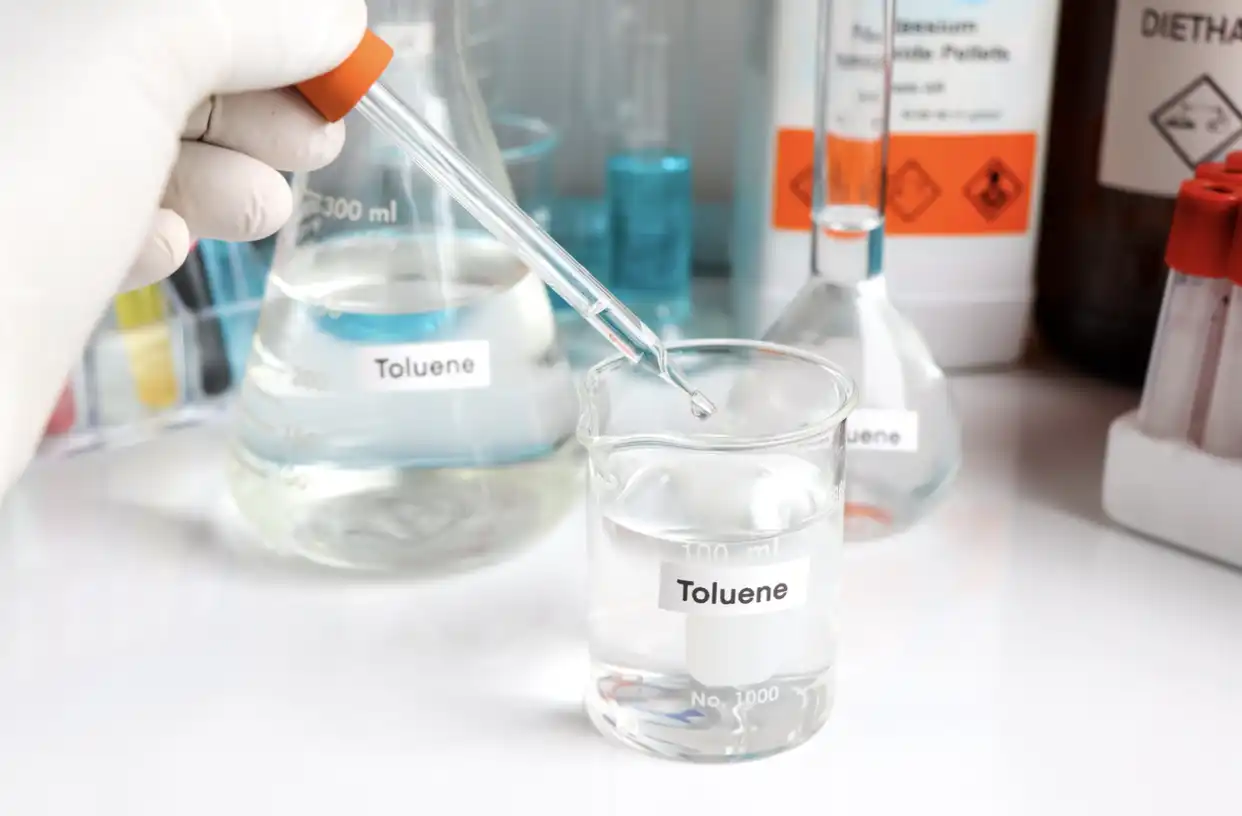

Diethylene Glycol (DEG) is an organic compound with the chemical formula C₄H₁₀O₃. It is a colorless, geruchlos, and hygroscopic liquid with a sweet taste, though it is toxic and should not be ingested. DEG is produced by the reaction of ethylene glycol with ethylene oxide.
Schlüsseleigenschaften:
- Aussehen: Diethylene glycol is a clear, viscous liquid.
- Löslichkeit: It is highly soluble in water and many organic solvents.
- Viscosity: DEG has a relatively high viscosity compared to water, which makes it useful in various industrial applications.
- Toxizität: DEG is toxic when ingested or absorbed in large quantities, leading to kidney damage, Depression des zentralen Nervensystems, and other health issues.
Allgemeine Anwendungen:
- Antifreeze: Diethylene glycol is used as an antifreeze and coolant, particularly in automotive and industrial applications.
- Lösungsmittel: It is used as a solvent in paints, Beschichtungen, and industrial cleaners.
- Humectant: In cosmetics and personal care products, DEG is used to retain moisture and prevent products from drying out.
- Weichmacher: DEG is used in the manufacture of plasticizers for the production of plastics and resins.
- Polyester Resins: It is also used in the production of polyester resins for fiberglass and other composite materials.
Sicherheits- und Umweltüberlegungen:
- Toxizität: Diethylene glycol is toxic, especially when ingested. It can cause severe health issues, including kidney failure and central nervous system depression.
- Umweltauswirkungen: DEG is biodegradable, but its toxicity to aquatic life means it must be handled carefully to avoid environmental contamination.
Diethylene glycol is a versatile chemical used in antifreeze, solvents, and plastic production, but due to its toxicity, it requires careful handling and regulation.