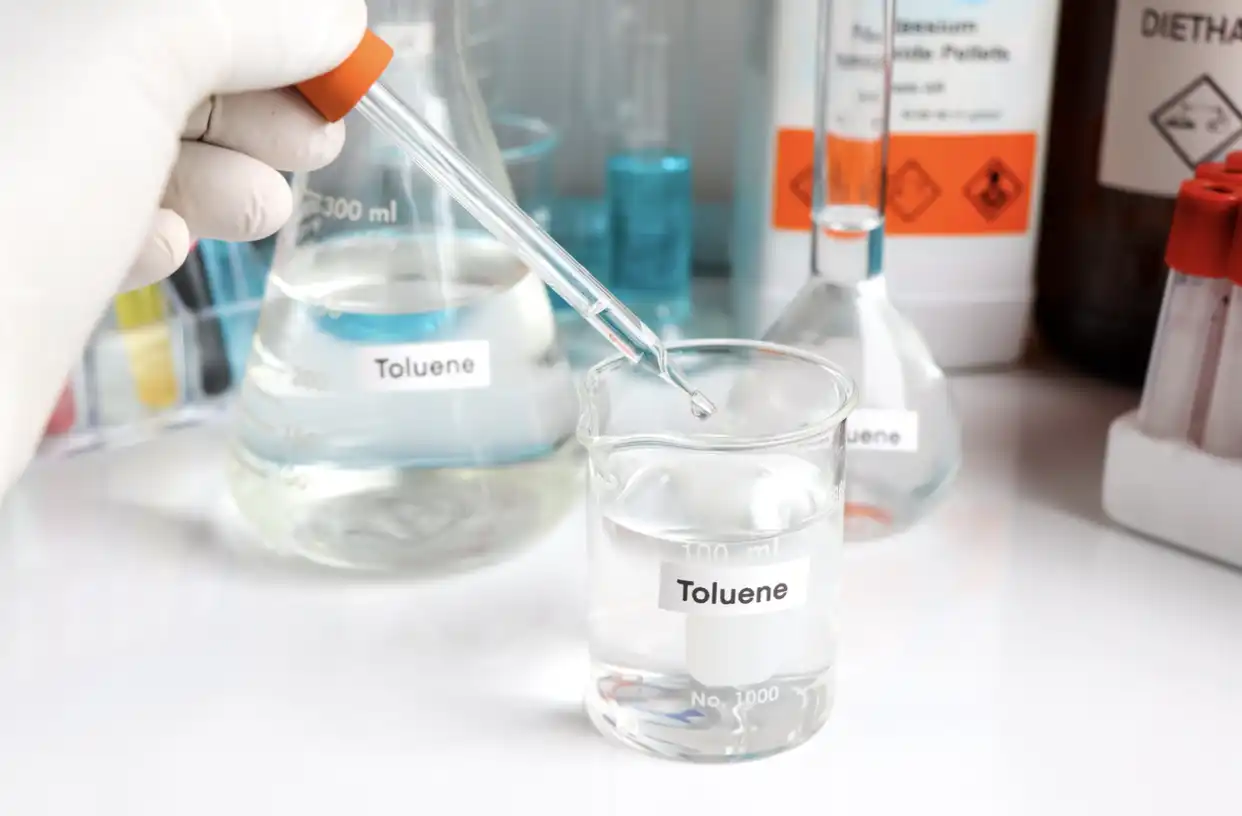

Dibutyl Phthalate (DBP) is an organic compound with the chemical formula C₁₂H₁₈O₄. It is a colorless, oily liquid with a slightly sweet odor, and it is one of the most widely used phthalate esters. Dibutyl phthalate is primarily used as a plasticizer to make plastics more flexible and durable, particularly in polyvinyl chloride (PVC).
Key Properties:
- Appearance: Dibutyl phthalate is a colorless to pale yellow, oily liquid.
- Solubility: It is highly soluble in organic solvents such as alcohols, acetone, and ether but only slightly soluble in water.
- Punto de ebullición: Around 340°C (644°F).
- Viscosity: DBP has a relatively high viscosity, which is important for its role as a plasticizer.
- Odor: It has a mild, sweet, and somewhat floral odor.
- Toxicidad: Dibutyl phthalate is toxic when ingested, inhaled, or absorbed through the skin, particularly with long-term exposure. It is known to have endocrine-disrupting effects and can harm reproductive health.
Usos comunes:
- Plasticizer: Dibutyl phthalate is primarily used as a plasticizer in PVC (cloruro de polivinilo) products, including flooring, upholstery, and electrical cables, to improve flexibility, durabilidad, y la operabilidad.
- adhesivos y sellantes: It is used in some adhesives and sealants to enhance flexibility and bonding strength.
- Cosméticos: DBP is sometimes used as an ingredient in personal care products like nail polish and cosmetics to make them more flexible and long-lasting.
- Industrial Coatings: It is used in the formulation of industrial coatings to improve flexibility and performance.
- Rubber Industry: Dibutyl phthalate is used in the rubber industry to enhance the flexibility of rubber products.
- Inks and Dyes: Se utiliza en tintas de impresión y tintes, especialmente los utilizados en la industria textil.
- Insecticidas: El ftalato de dibutilo se puede usar como aditivo en ciertos insecticidas y pesticidas.
Preocupaciones para la salud y el medio ambiente:
- Riesgos para la salud: El ftalato de dibutilo se clasifica como un potencial perturbador endocrino y toxina reproductiva. Se ha relacionado con efectos adversos en el hígado, riñón, y el sistema reproductivo, particularmente en los animales. Hay preocupaciones sobre sus efectos en la salud humana, especialmente para aquellos con exposición prolongada en ciertos entornos ocupacionales o a través de productos como cosméticos.
- Impacto ambiental: El DBP es tóxico para los organismos acuáticos, y su liberación al medio ambiente debe ser minimizada. Puede persister en el medio ambiente, conduce a la bioacumulación potencial en especies acuáticas.
- Regulación: Due to concerns about its health and environmental impact, El DBP es regulated or restricted in many countries, particularly in children's toys, medical devices, and cosmetics.
CAS Number: 84-74-2
The CAS number for Dibutyl phthalate is 84-74-2, which serves as a unique identifier in chemical databases and regulatory frameworks.
Conclusión:
Dibutyl phthalate is a widely used plasticizer with applications in PVC, adhesivos, and cosmetics, but it comes with significant health and environmental concerns, particularly regarding its toxicity and potential to disrupt endocrine and reproductive systems. Efforts are ongoing to regulate its use and find safer alternatives, especially in products that come into direct contact with consumers.