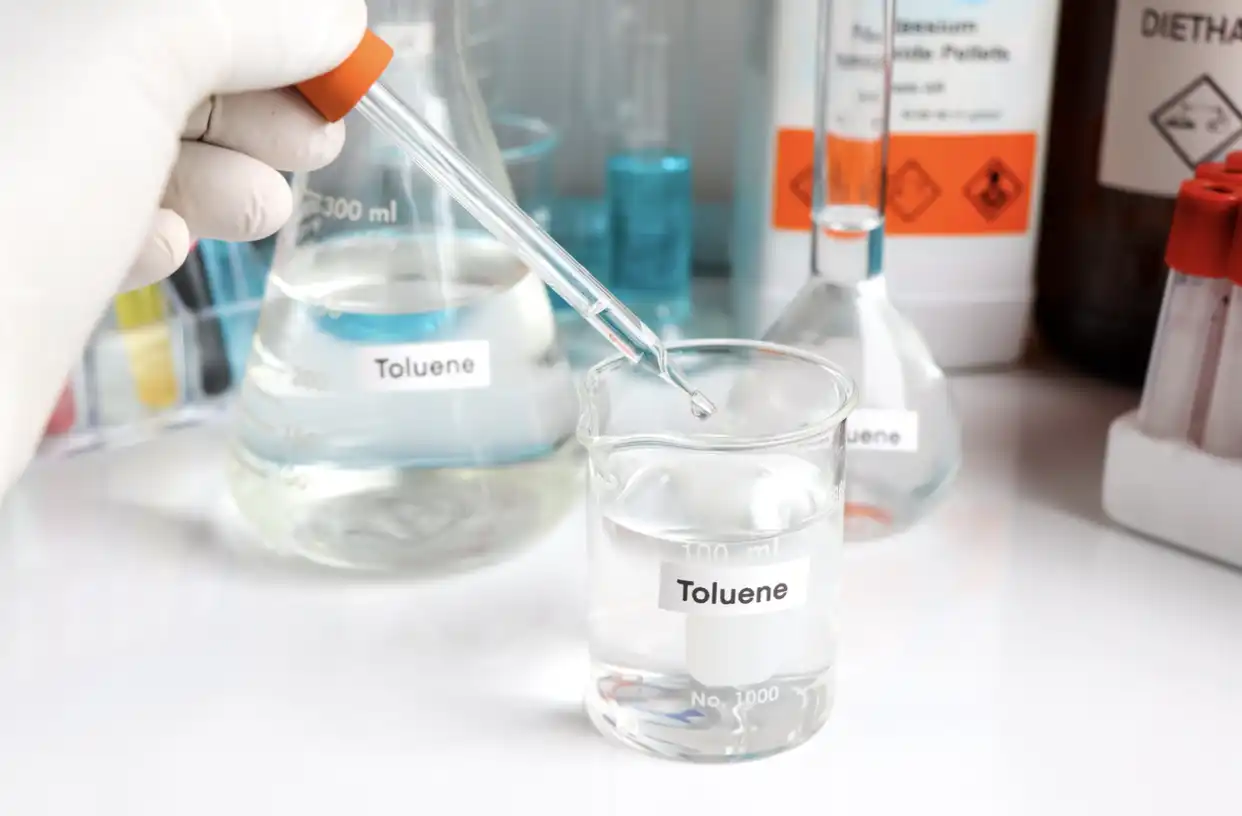

Diethyl Phthalate (DEP) is an organic compound with the chemical formula C₈H₁₀O₄. It is a colorless, oily liquid that is commonly used as a plasticizer and as a solvent in a variety of industrial, consumer, and pharmaceutical applications. Diethyl phthalate is one of the many phthalate esters, which are widely used to make plastics more flexible and durable.
Key Properties:
- Appearance: Diethyl phthalate is a colorless, oily liquid with a mild odor.
- Punto de ebullición: The boiling point is around 293°C (559°F).
- Solubility: It is soluble in alcohols, acetone, and other organic solvents but only slightly soluble in water.
- Viscosity: Diethyl phthalate has a relatively low viscosity, which makes it suitable for use in various formulations.
- Density: Around 1.118 g/cm³ at 20°C.
- Odor: It has a mild, pleasant, slightly aromatic odor.
Usos comunes:
- Plasticizer: El ftalato de dietilo se usa principalmente como un plasticizer para PVC (cloruro de polivinilo) y otros plásticos para mejorar la flexibilidad, operabilidad, y durabilidad. Ayuda a ablandar los plásticos, haciéndolos más flexibles y moldeables.
- Solvente en fragancias: Se usa comúnmente como un disolvente en la industria de perfumes y cosméticos, ya que ayuda a disolver otros componentes en formulaciones de fragancias.
- Cosméticos: DEP se usa en productos como esmalte de uñas, protectores solares, y lociones. Mejora la suavidad y la extensibilidad de estos productos y ayuda a estabilizar fragancias.
- Farmacéuticos: Se usa como un excipiente (ingrediente inactivo) en la industria farmacéutica, principalmente en la formulación de medicamentos, especialmente en formulaciones de liberación controlada o en la producción de ciertos tipos de píldoras y cápsulas.
- Repellentes de insectos: El ftalato de dietilo se ha utilizado en la producción de repelentes de insectos, particularmente en combinación con otros ingredientes activos.
- Otras aplicaciones: Se usa como un disolvente portador en pinturas, recubrimientos, tintas, y agentes de limpieza.
Seguridad y preocupaciones ambientales:
- Riesgos para la salud: Mientras que el ftalato de dietilo se considera menos tóxico en comparación con algunos otros ftalatos, ha planteado preocupaciones debido a su potencial como un disruptor endocrino. La exposición prolongada o de alto nivel puede conducir a problemas de salud, especialmente relacionados con la salud reproductiva y la regulación hormonal.
- Irritación de la piel y los ojos: DEP puede causar irritación al entrar en contacto directo con la piel o los ojos.
- Riesgos de inhalación: La inhalación de vapores puede causar irritación respiratoria u otros efectos para la salud en espacios confinados.
- Impacto ambiental: El ftalato de dietilo es tóxico para los organismos acuáticos y puede persistir en el medio ambiente. It is important to prevent its release into water bodies and ecosystems, as it may cause harm to aquatic life.
- Regulatory Status: Due to its potential health risks, the use of DEP, like other phthalates, is regulated in certain products. For example, its use in children's toys and products that come into direct contact with food is restricted in many countries.
CAS Number: 84-66-2
The CAS number for Diethyl phthalate is 84-66-2, which is used for identification in regulatory, scientific, and industrial contexts.
Conclusión:
Diethyl phthalate is a widely used plasticizer and solvent in various industries, including plastics, cosméticos, and pharmaceuticals. While it offers valuable properties like flexibility and solvency, it raises concerns due to its potential endocrine-disrupting effects. As such, its use is subject to regulation, and alternatives are being explored in response to health and environmental concerns.