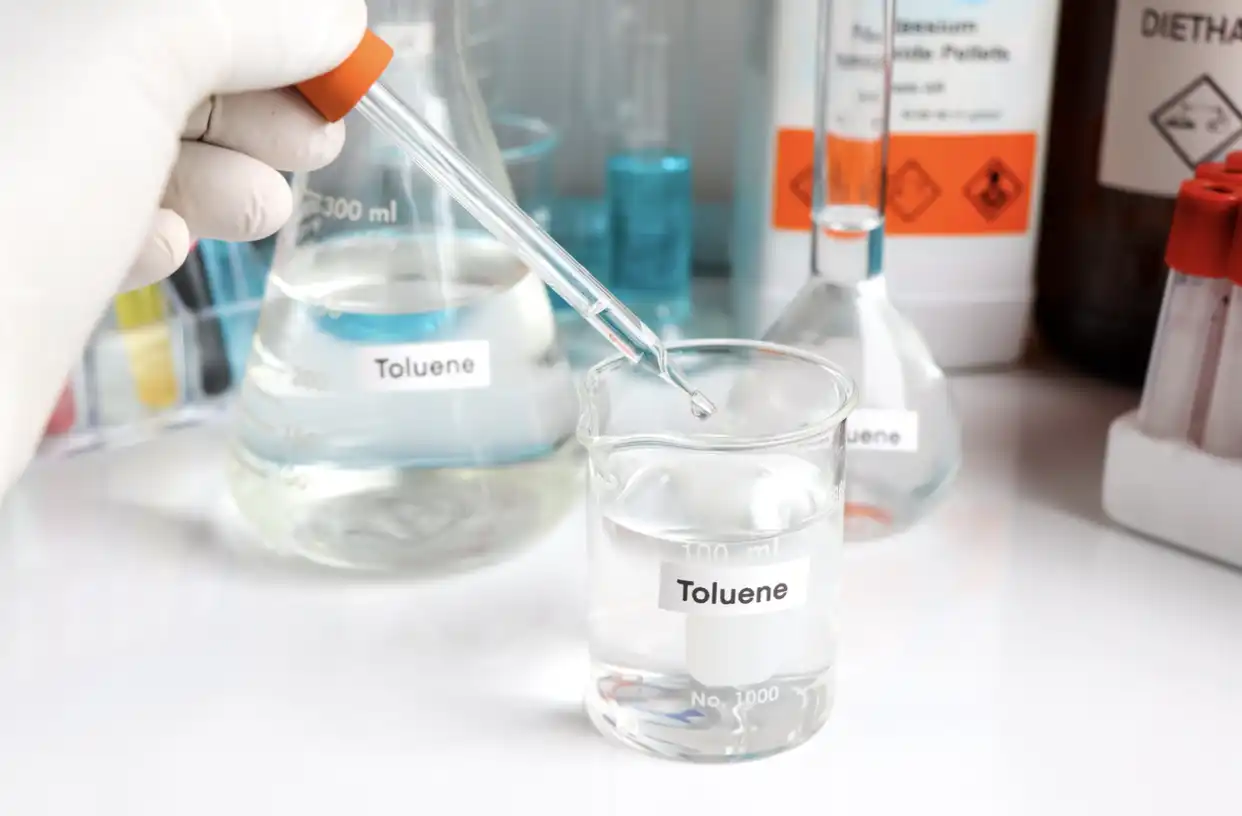

Diethylene Glycol (DEG) is an organic compound with the chemical formula C₄H₁₀O₃. It is a colorless, odorless, and hygroscopic liquid with a sweet taste, though it is toxic and should not be ingested. DEG is produced by the reaction of ethylene glycol with ethylene oxide.
Key Properties:
- Appearance: Diethylene glycol is a clear, viscous liquid.
- Solubility: It is highly soluble in water and many organic solvents.
- Viscosity: DEG has a relatively high viscosity compared to water, which makes it useful in various industrial applications.
- Toxicidad: DEG is toxic when ingested or absorbed in large quantities, leading to kidney damage, central nervous system depression, and other health issues.
Usos comunes:
- Antifreeze: Diethylene glycol is used as an antifreeze and coolant, particularly in automotive and industrial applications.
- Solvente: Se usa como disolvente en pinturas, recubrimientos, y limpiadores industriales.
- Humectante: En cosméticos y productos de cuidado personal, El DEG se usa para retener la humedad y prevenir que los productos se sequen.
- Plastificantes: El DEG se usa en la fabricación de plastificantes para la producción de plásticos y resinas.
- Resinas de poliéster: También se usa en la producción de resinas de poliéster para fibra de vidrio y otros materiales compuestos.
Consideraciones de seguridad y medioambientales:
- Toxicidad: El dietilenglicol es tóxico, especialmente cuando se ingiere. Puede causar graves problemas de salud, incluyendo insuficiencia renal y depresión del sistema nervioso central.
- Impacto ambiental: El DEG es biodegradable, pero su toxicidad para la vida acuática significa que debe manejarse con cuidado para evitar la contaminación ambiental.
El dietilenglicol es un químico versátil utilizado en anticongelantes, disolventes, y producción de plástico, pero debido a su toxicidad, requiere un manejo y regulación cuidadosos.