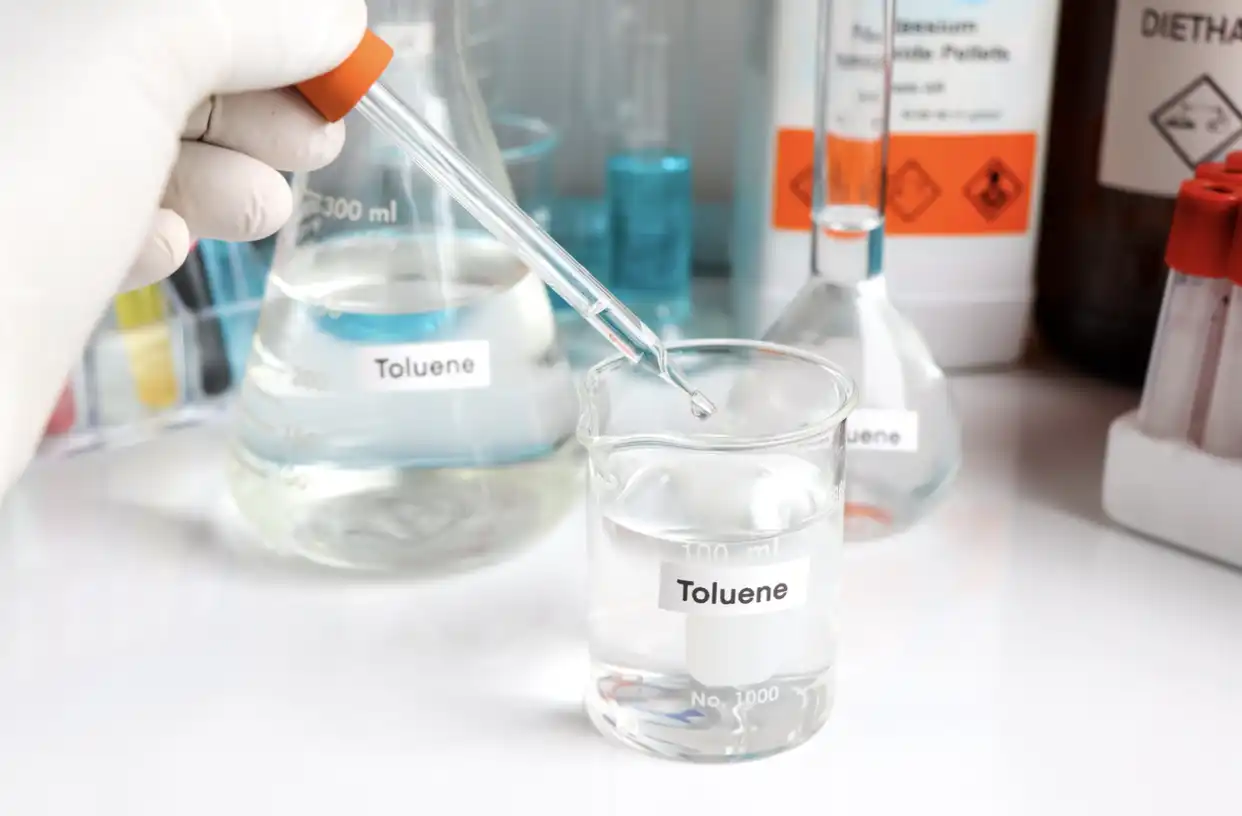

Diethyl Phthalate (DEP) è un composto organico con la formula chimica C₈H₁₀O₄. It is a colorless, oily liquid that is commonly used as a plasticizer and as a solvent in a variety of industrial, consumer, and pharmaceutical applications. Diethyl phthalate is one of the many phthalate esters, which are widely used to make plastics more flexible and durable.
Proprietà chiave:
- Aspetto: Diethyl phthalate is a colorless, oily liquid with a mild odor.
- Punto di ebollizione: The boiling point is around 293°C (559°F).
- Solubilità: It is soluble in alcohols, acetone, and other organic solvents but only slightly soluble in water.
- Viscosità: Diethyl phthalate has a relatively low viscosity, which makes it suitable for use in various formulations.
- Density: Around 1.118 g/cm³ at 20°C.
- Odore: Ha un lieve, pleasant, slightly aromatic odor.
Uso comune:
- Plasticizer: Diethyl phthalate is primarily used as a plasticizer per PVC (polyvinyl chloride) and other plastics to improve flexibility, workability, and durability. It helps to soften plastics, making them more flexible and moldable.
- Solvent in Fragrances: It is commonly used as a solvente in the perfume and cosmetics industry, as it helps dissolve other components in fragrance formulations.
- Cosmetici: DEP is used in products like nail polish, sunscreens, e lozioni. It enhances the smoothness and spreadability of these products and helps in stabilizing fragrances.
- Farmaceutici: It is used as an excipient (inactive ingredient) in the pharmaceutical industry, primarily in the formulation of medications, especially in controlled-release formulations or in the production of certain types of pills and capsules.
- Insect Repellents: Diethyl phthalate has been used in the production of insect repellents, in particolare in combinazione con altri principi attivi.
- Altre applicazioni: Viene utilizzato come solvente trasportatore in vernici, rivestimenti, inchiostri, e agenti di pulizia.
Sicurezza e preoccupazioni ambientali:
- Rischi per la salute: Mentre il dietil ftalato è considerato meno tossico rispetto ad alcuni altri ftalati, ha sollevato preoccupazioni a causa del suo potenziale come un disturbatore endocrino. Esposizione prolungata o ad alto livello può portare a problemi di salute, in particolare relativi alla salute riproduttiva e alla regolazione ormonale.
- Irritazione della pelle e degli occhi: DEP può causare irritazione al contatto diretto con la pelle o gli occhi.
- Rischi di inalazione: L'inalazione di vapori può causare irritazione respiratoria o altri effetti sulla salute in spazi confinati.
- impatto ambientale: Il dietil ftalato è tossico per gli organismi acquatici e può persistere nell'ambiente. It is important to prevent its release into water bodies and ecosystems, as it may cause harm to aquatic life.
- Regulatory Status: Due to its potential health risks, the use of DEP, like other phthalates, is regulated in certain products. For example, its use in children's toys and products that come into direct contact with food is restricted in many countries.
CAS Number: 84-66-2
The CAS number for Diethyl phthalate is 84-66-2, which is used for identification in regulatory, scientific, and industrial contexts.
Conclusion:
Diethyl phthalate is a widely used plasticizer and solvent in various industries, including plastics, cosmetics, and pharmaceuticals. While it offers valuable properties like flexibility and solvency, it raises concerns due to its potential endocrine-disrupting effects. As such, its use is subject to regulation, and alternatives are being explored in response to health and environmental concerns.