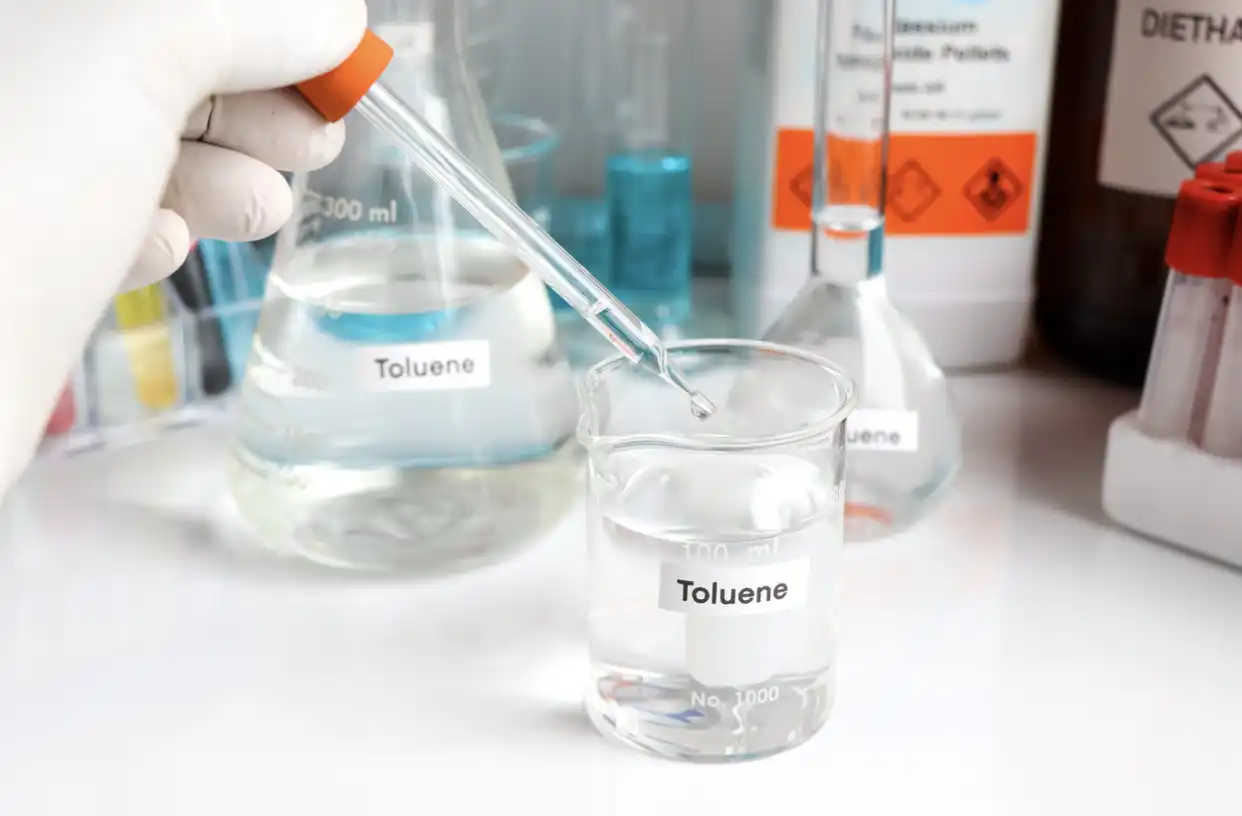

Diethyl Phthalate (DEP) is an organic compound with the chemical formula C₈H₁₀O₄. It is a colorless, oily liquid that is commonly used as a plasticizer and as a solvent in a variety of industrial, consumer, and pharmaceutical applications. Diethyl phthalate is one of the many phthalate esters, which are widely used to make plastics more flexible and durable.
Propriedades chave:
- Aparência: Diethyl phthalate is a colorless, oily liquid with a mild odor.
- Ponto de ebulição: The boiling point is around 293°C (559°F).
- Solubilidade: It is soluble in alcohols, acetona, and other organic solvents but only slightly soluble in water.
- Viscosidade: Diethyl phthalate has a relatively low viscosity, which makes it suitable for use in various formulations.
- Density: Around 1.118 g/cm³ at 20°C.
- Odor: Tem um suave, pleasant, slightly aromatic odor.
usos comuns:
- Plasticizer: Diethyl phthalate is primarily used as a plasticizer para PVC (cloreto de polivinil) and other plastics to improve flexibility, workability, and durability. It helps to soften plastics, making them more flexible and moldable.
- Solvent in Fragrances: It is commonly used as a solvente in the perfume and cosmetics industry, as it helps dissolve other components in fragrance formulations.
- Cosméticos: DEP is used in products like nail polish, sunscreens, and loções. It enhances the smoothness and spreadability of these products and helps in stabilizing fragrances.
- Farmacêuticos: It is used as an excipient (inactive ingredient) in the pharmaceutical industry, primarily in the formulation of medications, especially in controlled-release formulations or in the production of certain types of pills and capsules.
- Insect Repellents: Diethyl phthalate has been used in the production of insect repellents, particularly in combination with other active ingredients.
- Other Applications: É usado como um solvente transportador em tintas, revestimentos, tintas, and agentes de limpeza.
Segurança e preocupações ambientais:
- Riscos à saúde: Enquanto o ftalato de dietilo é considerado menos tóxico em comparação com alguns outros ftalatos, levantou preocupações devido ao seu potencial como um perturbador endócrino. Exposição prolongada ou de alto nível pode levar a problemas de saúde, especialmente relacionados com a saúde reprodutiva e regulação hormonal.
- irritação da pele e dos olhos: DEP pode causar irritação ao entrar em contato direto com a pele ou os olhos.
- Riscos de inalação: Inalação de vapores pode causar irritação respiratória ou outros efeitos à saúde em espaços confinados.
- Impacto ambiental: O ftalato de dietilo é tóxico para organismos aquáticos e pode persistir no ambiente. É importante prevenir sua liberação em corpos hídricos e ecossistemas, Como pode causar danos à vida aquática.
- Estatuto regulatório: Devido a seus potenciais riscos à saúde, the use of DEP, like other phthalates, is regulated in certain products. For example, its use in children's toys and products that come into direct contact with food is restricted in many countries.
CAS Number: 84-66-2
The CAS number for Diethyl phthalate is 84-66-2, which is used for identification in regulatory, scientific, and industrial contexts.
Conclusão:
Diethyl phthalate is a widely used plasticizer and solvent in various industries, including plastics, cosmetics, and pharmaceuticals. While it offers valuable properties like flexibility and solvency, it raises concerns due to its potential endocrine-disrupting effects. As such, its use is subject to regulation, and alternatives are being explored in response to health and environmental concerns.