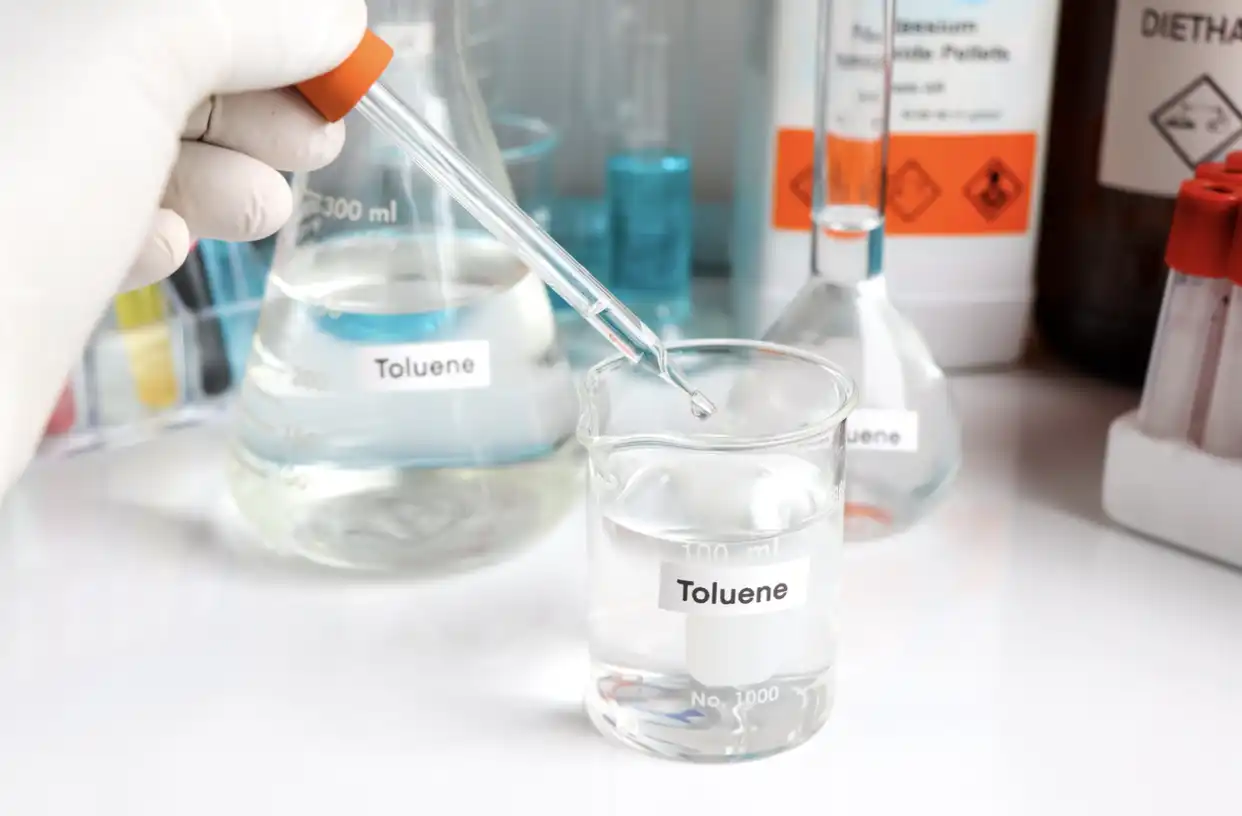
Urea is a molecular nitrogen fertilizer that cannot be directly absorbed in large quantities by crops. It must be applied to the soil and converted into ammonium carbonate (also known as ammonium nitrogen fertilizer) by the action of urease secreted by soil microorganisms before crops can absorb and utilize it in large quantities.
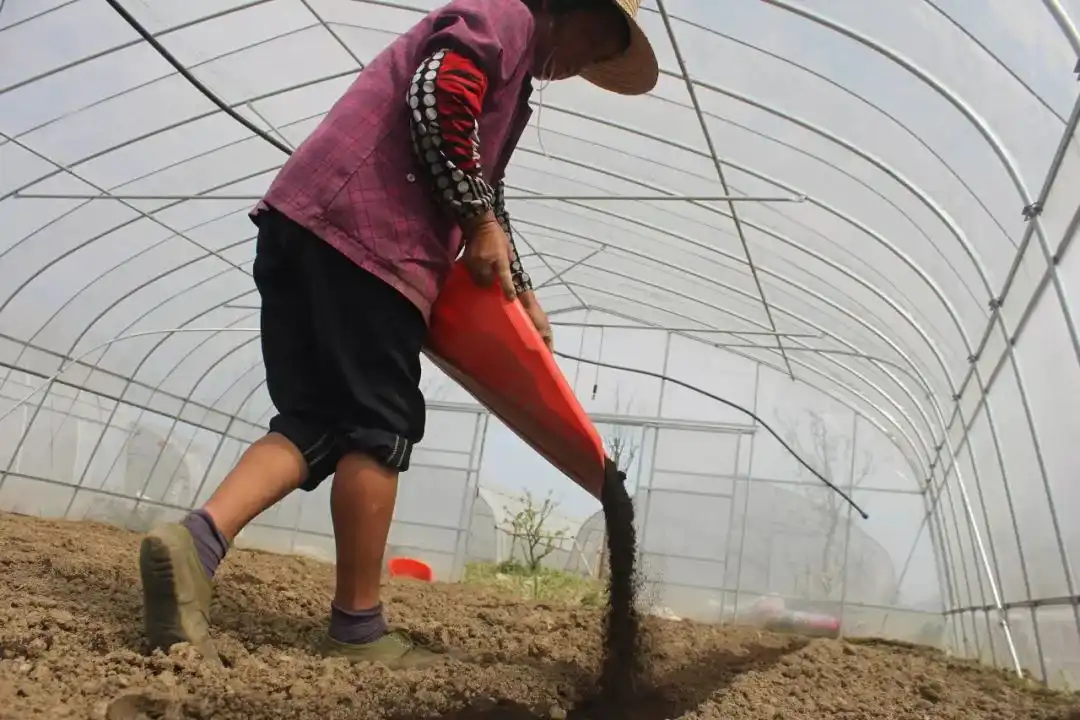
The speed of urea conversion mainly depends on the amount and activity of urease, which is affected by many factors as follows:
- Soil pH. The conversion rate of urea in neutral soil is significantly higher than that in acidic or alkaline soil; neutral environment is more suitable for microbial activity.
- Soil fertility. Since the urease content in fertile soil is higher than that in poor soil, the conversion rate of urea in fertile soil is fast.
- Soil temperature. A temperatura do solo tem um efeito significativo na taxa de conversão da uréia. De acordo com os dados, quando a temperatura do solo é de 10 ℃, leva 7-10 dias para toda a uréia ser convertida; 4-5 dias a 20 ℃; se a temperatura do solo atingir 30 ℃, só leva 2 dias para converter toda a uréia.
- umidade do solo. A hidrólise da urease da argila com alto teor de umidade do solo é forte. De acordo com a pesquisa, a 25-30 ℃, quando a umidade do solo é 70%, o pico de amoniação ocorre um dia após a aplicação da uréia, and 28% da uréia é convertida em nitrogênio de amônio e absorvida pelas culturas; pelo contrário, quando a umidade do solo é insuficiente e o teor de água é baixo, a conversão da uréia é lenta.
Em suma, de acordo com as características da uréia que precisa ser convertida depois de ser aplicada ao solo, in order to better exert the fertilizer effect, it should be applied 3-6 days in advance according to specific conditions, so that it can be converted into ammonium nitrogen in time for crops to absorb and utilize.
Urea contains 46% nitrogen and is the most commonly used high-quality nitrogen fertilizer in production, but the utilization rate of urea after it is applied to the soil is usually only 45%-50%. In addition to early application of urea, the following two methods can be combined to achieve higher fertilizer utilization:
- Deep application of urea
Whether it is used as base fertilizer or topdressing, it should be deeply applied and covered with soil, and the fertilization depth should be 10-12 cm; deep application of urea can significantly improve the utilization rate. According to tests, the utilization rate of urea is only 30% when applied superficially or shallowly 2-3 cm; the utilization rate is 45% when applied at a depth of 5 cm; and the utilization rate can reach 65% when applied deeply 10-20 cm.
- Mixed urea
The application of urea in combination with organic fertilizer, phosphorus and potassium fertilizer and trace element fertilizer can maintain the balance of soil nutrients, maximize the utilization rate of nutrients and give full play to the yield-increasing effect of fertilizers.